FOB QINGDAO · WORLDWIDE SHIPPING · MOQ 100 KG · FREE SAMPLEISO 9001 · REACH · RoHS  ·  barry@aluminaworld.com
Home / Applications

Where Our Media Works

Drying, purification
and separation —
grade matched to duty.

Tell us the stream, the target spec and the operating window. We match the exact alumina or zeolite grade, pore size and shaping — then prove it with a free sample and a written test protocol.

14 application duties9 product families86+ countries shippedFree lab sample packs
Stream: Compressed air · Natural gas · Hydrogen · Nitrogen · Ethanol vapor · Refrigerant · PolyolTarget: Down to −70 °C PDP · <1 ppm H₂O · 50 ppm polyol

Core Applications

Six duties we ship
every week.
Industries We Serve

Eight industries.
One supplier for the whole
adsorbent list.

Not Sure Which Grade?

Send the stream,
get a written answer.

Duty conditions in, grade recommendation out — pore size, crush strength, working capacity and a regeneration window you can check against your own plant data.

What Industrial Applications Do Aluminaworld Adsorbents and Catalysts Serve?

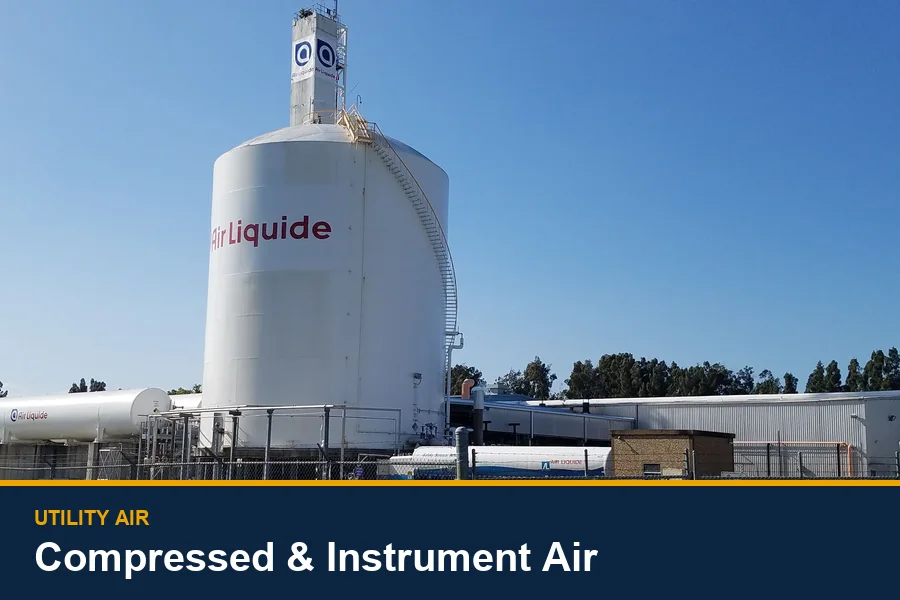
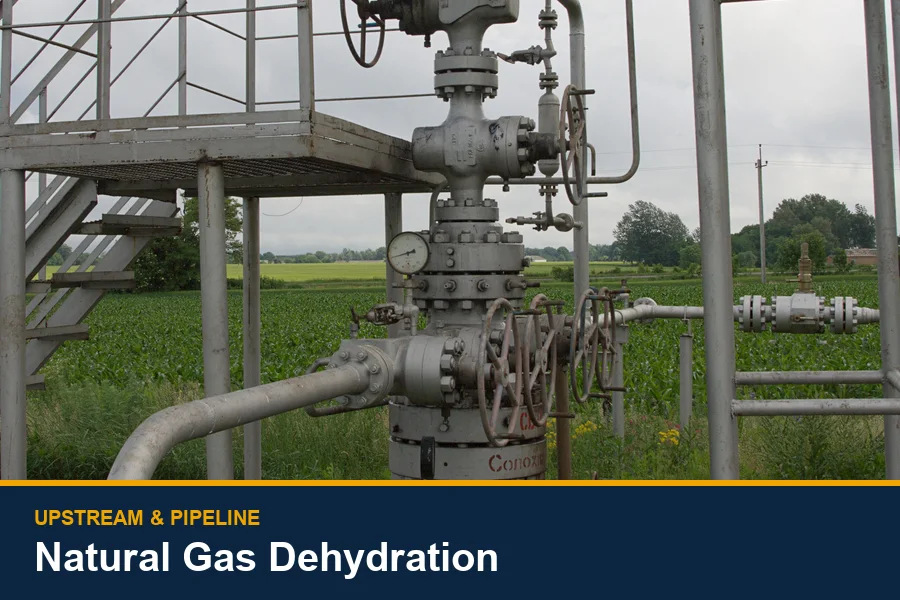
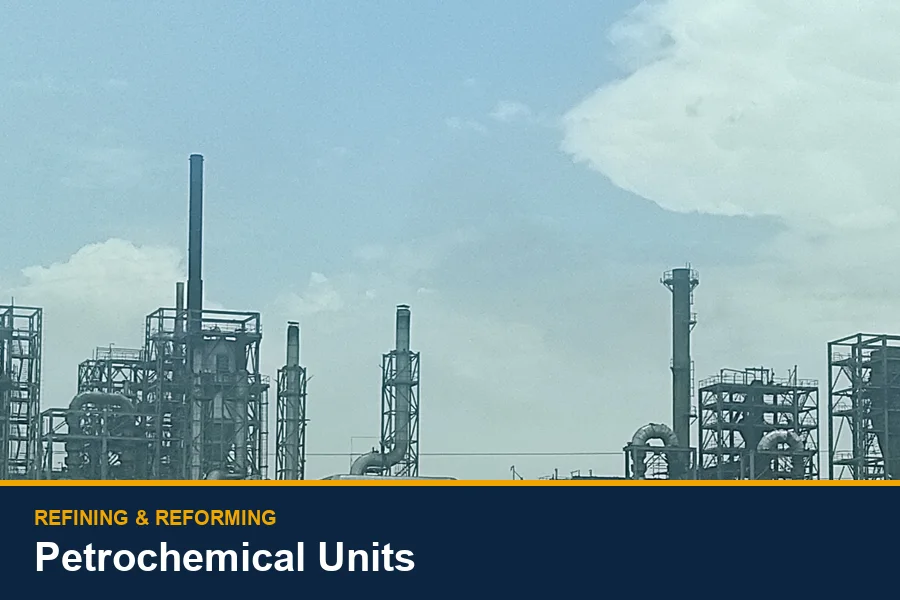
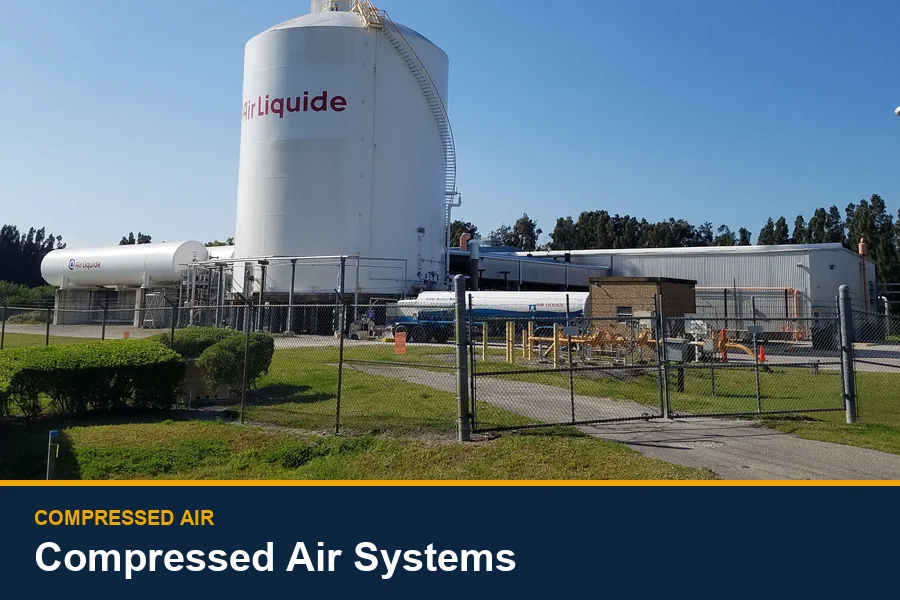
Aluminaworld materials are used in eight principal industrial applications. Compressed-air drying uses 2–5 mm or 3–5 mm activated alumina balls in twin-tower heatless regenerative dryers to reach -40 °C to -50 °C pressure dew points. Natural-gas and LNG dehydration uses molecular sieve 4A and 13X beds sized by water load and cycle length. PSA oxygen and hydrogen production uses molecular sieve 5A and 13X as the adsorbent in pressure-swing adsorption units. Drinking-water defluorination uses high-porosity activated alumina, a WHO-recommended defluoridation medium. Transformer and electrical-insulation breathing uses activated alumina to hold the breather dry. Catalytic reforming and petrochemical processing uses activated-alumina and pseudo-boehmite catalyst carriers for Claus, H₂O₂ and FCC units. ZSM-5 catalysis covers catalytic cracking and methanol-to-olefins. Polymers and coatings use ATH as a flame retardant and molecular-sieve powder as a desiccant.

Application to Product Selection Table

Application Recommended Product Key Operating Parameter Target Performance
Compressed-air dryingActivated alumina 2–5 / 3–5 mm180–220 °C regeneration, 4–6 h cycle-40 to -50 °C pressure dew point
Natural gas / LNG dehydrationMolecular sieve 4A / 13X220–260 °C regeneration, 8–24 h cycleWater ≤0.1 ppm vol, CO₂ <50 ppm
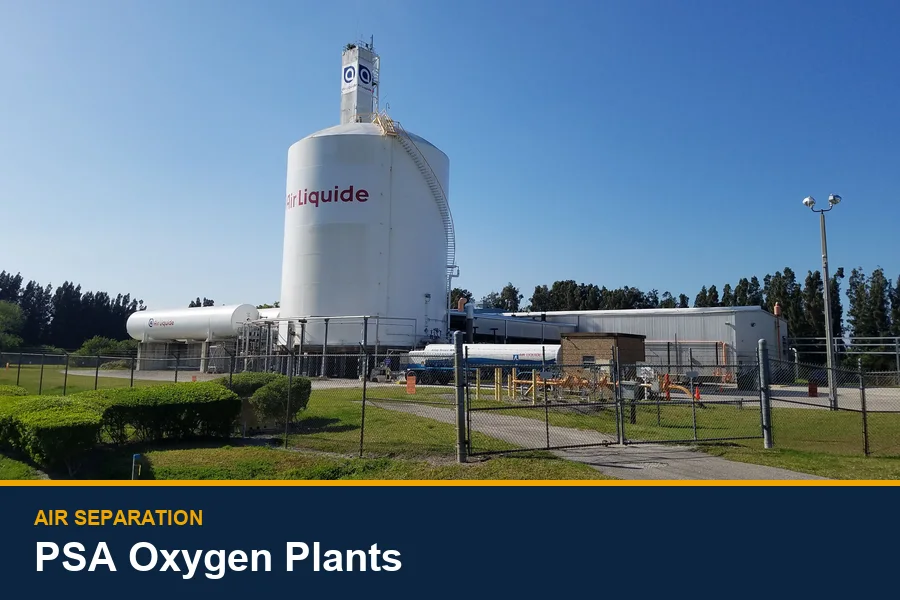
PSA oxygen / hydrogenMolecular sieve 5A / 13X0.5–3.0 bar adsorption, 220–250 °C regenerationO₂ 90–95%, H₂ 99.9%
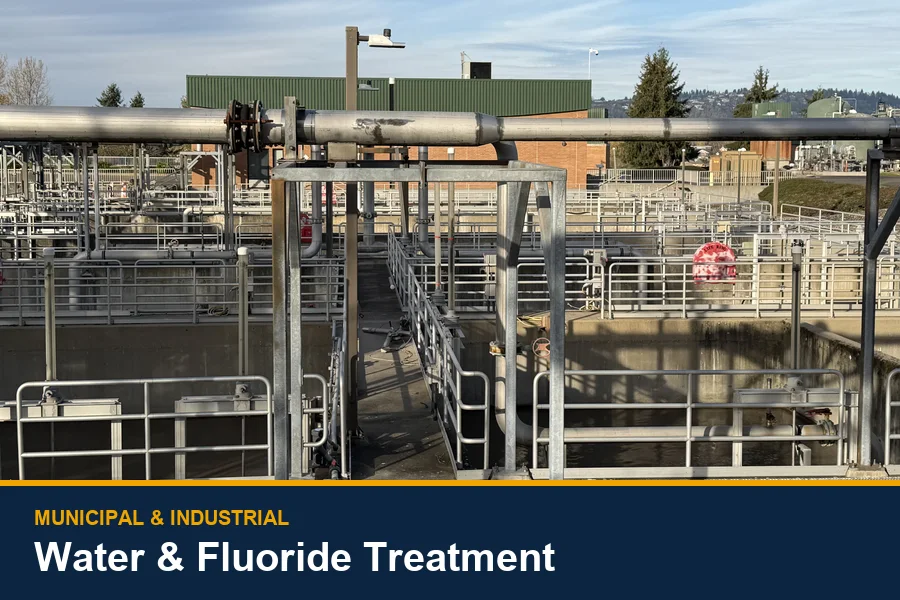
Drinking-water defluorinationActivated alumina 1–3 / 2–5 mmpH 5.5–6.5, NaOH regenerationF⁻ down to <1.0 mg/L
Transformer breathingActivated alumina 2–5 / 3–5 mmAmbient breather, periodic heatingInsulation dry, low dew point
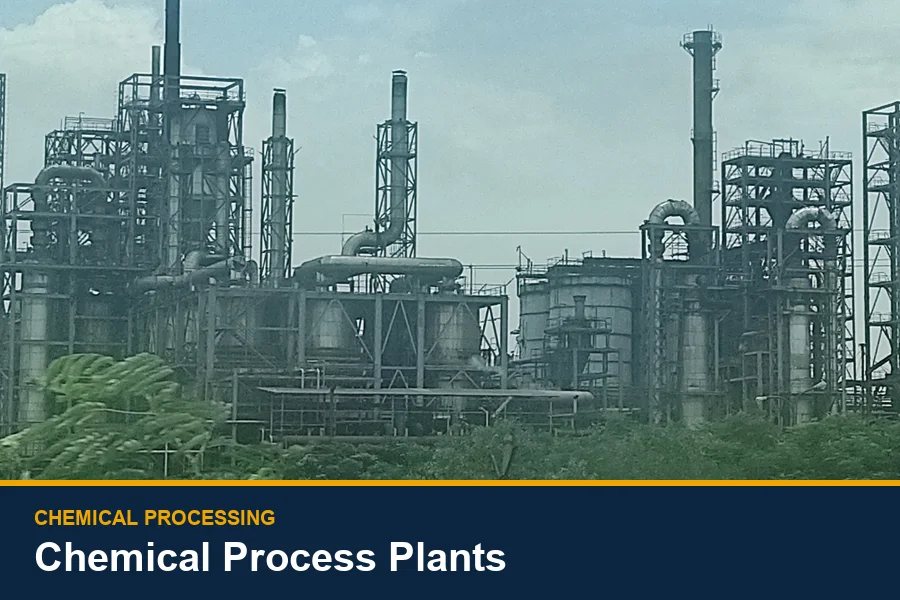
Claus / H₂O₂ / FCC catalysisCatalyst carrier, pseudo-boehmiteAl₂O₃ 65–72%, BET 220–320 m²/gCatalyst support durability, low attrition
MTO / catalytic crackingZSM-5 zeoliteSiO₂/Al₂O₃ ratio 25–1000Shape-selective propylene selectivity
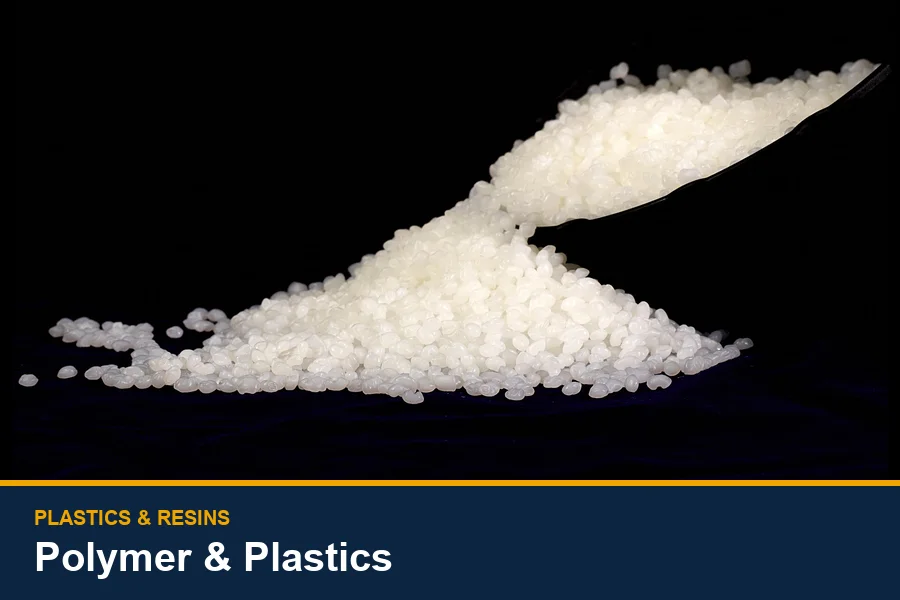
LSZH cable / artificial marbleAluminum hydroxide (ATH)Whiteness and particle-size controlledNon-toxic flame retardancy, low smoke

Frequently Asked Questions

Q: Which molecular sieve grade should be used for natural gas dehydration?

Molecular sieve 4A is the standard choice for pipeline and LNG dehydration because its 4 Å aperture admits water while excluding hydrocarbons heavier than C3. 13X is used where the highest water capacity per unit volume is required and CO₂ pretreatment is available.

Q: Can activated alumina replace molecular sieve in air dryers?

Yes for most industrial compressed-air applications. Activated alumina reaches -40 °C to -50 °C pressure dew point, tolerates oil and heavy contamination better, and costs less. Molecular sieve 13X is still required when the dew-point target is below -50 °C, when the air is very clean, or when the lowest possible unit-volume footprint matters.

Q: How is a molecular sieve bed sized for a gas dryer?

Bed size is calculated from the water load (kg H₂O per hour), the required working capacity of the chosen grade, the mass-transfer-zone length, and a safety factor of 1.2 to 1.5. A full worked example for compressed air, natural gas and PSA oxygen is published on the Aluminaworld Insights page.

Q: What regeneration temperature does molecular sieve require?

220 °C to 260 °C under a dry purge or swing gas, held for 4 to 6 hours to restore full working capacity. Activated alumina regenerates at a lower 180 °C to 220 °C.

Q: Does Aluminaworld supply pre-engineered skid units or only media?

Aluminaworld supplies the adsorbent media and can support skid design and bed sizing. Complete vessel and skid supply is available on request for large projects.